
Architectural Shingles: What Homeowners Need to Know
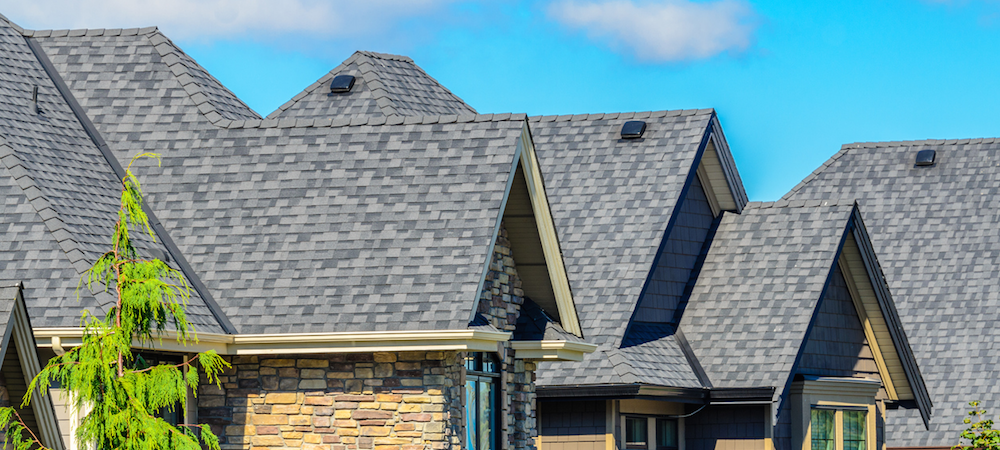
Architectural, dimensional, or laminated shingles are asphalt shingles built from laminated layers to create a dimensional appearance. Construction, reinforcement, weight, and performance vary by product. They differ from traditional 3-tab shingles, which use cutouts to create three tabs in a flatter strip.
History and Alternatives
Laminated asphalt shingles became a prominent residential option in the 1970s. Asphalt shingles remain the leading U.S. residential roof covering; the Asphalt Roofing Manufacturers Association says roughly four out of five homes use them.
- 3-tab shingles: Typically lighter and less dimensional than laminated shingles. Price, wind classification, warranty, and availability depend on the exact model.
- Cedar shakes and shingles: Shakes are split or sawn wood roofing units, while wood shingles are sawn. Service life and water resistance depend on species, grade, grain, treatment, roof design, installation, climate, and maintenance.
- Composite shingles: Polymer or composite products can imitate shake or slate. Composition, recycled content, fire and impact ratings, warranty, and end-of-life options vary by product.
Advantages and Tradeoffs
- Appearance: Laminated tabs can create shadow lines and a less uniform pattern than 3-tab shingles, with many colors and profiles available.
- Product choices: Some lines offer enhanced wind classifications, impact ratings, algae coverage, reflective granules, or longer limited-warranty terms.
- Cost: Architectural shingles usually cost more than basic 3-tab shingles but less than natural slate or many metal systems.
- Weight and installation: Installers must follow the manufacturer’s deck, layout, fastening, starter, underlayment, ventilation, and flashing instructions. Confirm that the existing structure and deck are suitable for the selected product.
- Environmental impact: Asphalt shingles use petroleum-based materials and are often landfilled. Tear-off shingles can be recycled into pavement and other products where a verified local processor accepts them.
Fire, Wind, and Hail Ratings
Many asphalt-shingle roof assemblies achieve a Class A external-fire classification, but verify the listing for the complete assembly, including the specified underlayment and deck. The shingle material alone does not establish the assembly rating.
Wind ratings vary by exact shingle and installation. Compare the product’s ASTM D3161 or ASTM D7158 classification and warranty conditions, then confirm that the approved fastening, starter, deck, and edge details meet local design loads. A manufacturer warranty wind speed is not a substitute for code-compliant design and installation.
Impact-resistant shingles are tested and classified by product. In an IBHS laboratory comparison, IR architectural shingles passed about 75% of Class 1 UL 2218 impact locations versus about 55% for basic architectural shingles. Results varied at higher impact classes, and an impact rating does not guarantee freedom from cosmetic or storm damage.
Climate and Solar Reflectance
Asphalt shingles are used across climate zones. Heat, cold, thermal cycling, ultraviolet exposure, ventilation, color, product formulation, storage, and installation all affect performance. Choose a product and assembly suited to the local climate.
Some shingles use reflective granules and carry measured Cool Roof Rating Council ratings. Compare initial and aged solar reflectance and thermal emittance for the exact color and model. Energy effects vary with climate, insulation, ventilation, roof area, and HVAC.
Pricing
HomeGuide’s November 2025 national study placed installed architectural shingles at about $4–$6 per square foot, or $7,500–$16,000 for a typical project. Those figures are planning ranges, not a local quote.
A roofing square is 100 square feet of roof surface, not floor area. Compare local bids using the same tear-off, deck-repair, underlayment, ice barrier, flashing, ventilation, accessory, permit, disposal, and warranty scope. See our roof replacement cost guide for a broader bid checklist.