
What Is a Jerkinhead Roof?
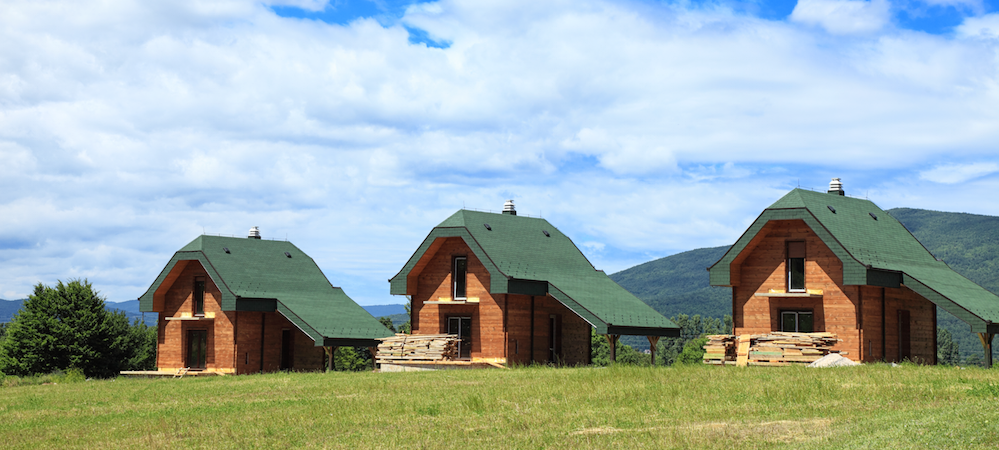
A jerkinhead roof is a gable roof with a hipped end. In plain terms, it looks like a gable roof with the top corners of its ends cut short. Small sloping roof sections, called hips, replace those corners. You may also hear “clipped-gable” or “hipped-gable.”
Some sources call it a “Dutch hip” roof. That name can be confusing. A Dutch-gable roof has a gable above a hip roof, which is a different shape.
Comparing shapes? See our roof-style comparison guide for pictures, tradeoffs, and planning questions.
Jerkinhead vs. Gable and Hip Roofs
| Roof form | What to look for | Planning question |
|---|---|---|
| Gable | Two slopes meet at the roof’s top line, or ridge. | How will you support and seal the gable ends? |
| Jerkinhead | Small slopes replace the top corners of the gable ends. | How do these ends affect the frame and attic space? |
| Hip | Roof slopes run down to the walls on all sides. | How much attic space will this slope leave? |
Your roof’s shape is only part of the choice. The materials and building details affect its strength, cost, and life.
History and Examples
You can see jerkinhead roofs on older buildings and homes that borrow older styles. A Library of Congress building survey describes one at Maryland’s Ratcliffe Manor from the early to mid-1700s. The National Park Service also describes the roof on the Isle Royale Lighthouse keeper’s home as a jerkinhead.
If you like this look for your home, use these examples to show your designer what you have in mind. Then ask how the clipped ends would affect your roof’s frame and attic space.
How Jerkinhead Roofs Are Built
Builders start with a gable frame and add short hips at the ends. They may build the frame on site or use factory-made roof frames called trusses. The clipped ends can add work compared with a basic gable roof.
A designer must size the frame and its supports for your building and local loads. Those loads include the roof’s weight, wind, and snow. Use approved plans and skilled roof and framing crews. This article does not give building instructions.
Wind Performance
The clipped ends change how wind moves around the roof. They may reduce some exposed gable area. That does not mean every jerkinhead roof is a better choice in strong winds. FEMA’s hurricane guidance compares roof shapes, but gives no blanket advantage to jerkinhead roofs.
Roof slope, overhangs, covering, and the way builders attach the roof all matter. Doors, windows, and the building’s shape matter, too. In high-wind areas, a designer must plan how the roof passes wind forces through the building to the ground.
How Long Will It Last?
The shape alone does not tell you how long the roof will last. Covering, drainage, vents, and the quality of the work all matter. So do weather, roof checks, and repairs. Insulation helps control heat flow, but does not promise a longer roof life.
Advantages and Tradeoffs
- Looks: Clipped ends can suit homes with an older or traditional style.
- Smaller gable ends: Short hips replace the top part of each gable. Wind strength still depends on the full design.
- More detail: Builders may need extra framing and metal seals, called flashing, at roof joints.
- Attic space: The short hips may leave less room near the ends. Roof slope and the inside layout affect how much space you lose.
- Access and airflow: The frame can make attic access and vent placement harder. A designer can plan a roof that meets local rules.
Related Roof Forms
- Hip roof: All sides slope toward the walls, often with no full-height gable.
- Pyramid hip roof: Four slopes meet at one point above a square base.
- Cross-hip roof: Two hip roof sections meet and form valleys.
- Dutch-gable roof: A gable sits above a lower hip roof.
- Mixed roof shapes: A building combines roof forms. One example is a hip roof with small gabled windows.
Jerkinhead Roof Cost
You will need a local quote for a useful price. Roof size, slope, materials, and labor all affect cost. Changing the frame adds a different kind of work from replacing the covering.
Ask roofers to price the same plans and materials. Check whether each bid includes removal, repairs to the roof base, metal seals, and permits. Our roof replacement cost guide can help you compare them.